
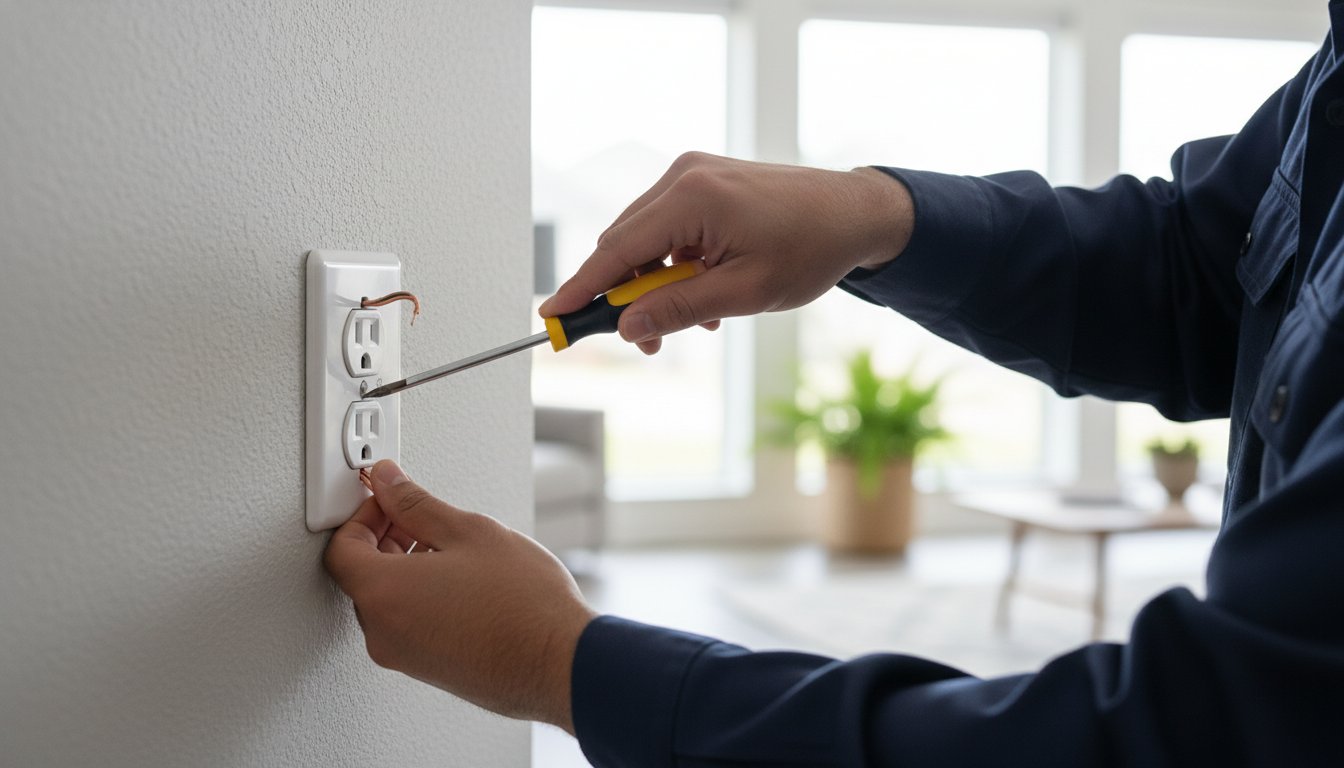
Imagine you’ve just brought home a new high-speed computer or a modern kitchen appliance, but you’re stuck staring at an old two-slot outlet that won't take the plug. It’s a common frustration for many Illinois homeowners living in beautiful, older properties. We understand the anxiety that comes with using outdated wiring, especially when you're worried about the hidden risks of electrical shocks or potential fire hazards. You shouldn't have to choose between using your favorite devices and keeping your family safe.
You deserve a home that’s both functional and secure. This guide will teach you everything you need to know about professional grounded outlet installation to ensure your system is up to code and fully functional. We will preview the latest 2026 NEC requirements, explain why the Chicago Electrical Code differs from national standards, and help you decide between a simple GFCI upgrade and a full system grounding. By the end, you'll have a clear path toward a more stable and secure electrical environment for years to come.
Key Takeaways
- Understand how grounding acts as a vital safety valve for your home’s electrical system, protecting your family from unexpected shocks and fire hazards.
- Discover the primary methods for professional grounded outlet installation, ranging from running new dedicated wires to utilizing your home's existing armored cables.
- Learn the critical differences between a true grounding system and GFCI workarounds to ensure your modern appliances receive the protection they need.
- Navigate the complexities of local Illinois electrical codes and the latest 2026 NEC requirements to keep your property safe and compliant.
- Gain peace of mind by following a professional step-by-step process that prioritizes safety, testing, and long-term reliability for your home.
Why Grounded Outlet Installation is Essential for Modern Safety
Think of your home's electrical system as a high-speed highway. The hot wire brings power in, and the neutral wire provides the return path. But what happens if electricity takes a wrong turn? What is electrical grounding? Essentially, it's a dedicated safety valve. It provides a low-resistance path for excess electricity to travel safely into the earth during a fault. Without a professional grounded outlet installation, that excess energy looks for the next easiest path. Often, that path is your body or your expensive appliances.
Many homeowners confuse the neutral wire with the ground wire. While both connect to the earth at your breaker box, they serve different roles. The neutral wire is part of the live circuit. It carries current back to the source under normal conditions. The ground wire is a silent guardian that sits idle until a short circuit occurs. If your system lacks this dedicated path, a fault can energize the metal casing of your toaster or microwave. Touching it could result in a severe shock. It's a risk that no family should have to take.
Beyond physical safety, grounding is the backbone of your home’s defense against surges. You might be surprised to learn that whole house surge protector installation is only effective if your outlets are properly grounded. These devices work by diverting extra voltage into the ground wire. If that wire isn't there, the surge has nowhere to go but through your sensitive electronics. This can lead to fried circuit boards and permanent data loss.
The Danger of Two-Prong Outlets in Older Homes
Homes built before 1965 were often wired without a grounding conductor. If you still have two-prong outlets, your home is likely using outdated technology that doesn't meet modern safety standards. Some people use "cheater plugs" or 3-to-2 adapters to force modern plugs into old sockets. This is a significant fire risk. These adapters bypass the safety ground entirely, leaving you vulnerable. For homeowners dealing with these legacy systems, seeking residential electrical repair Warrenville services is the best way to identify and fix these hidden hazards before they cause a crisis.
Protecting Sensitive Electronics and Appliances
Modern smart devices and computers are incredibly sensitive to "dirty power." These small fluctuations in voltage can degrade components over time. Most high-quality power strips actually require a ground to function correctly. If the "grounded" light on your surge protector isn't on, your gear isn't protected. Additionally, many manufacturers will void your warranty if they discover the device was plugged into an ungrounded circuit. Investing in grounded outlet installation ensures your technology lasts longer and stays within warranty coverage.
Three Primary Methods for Grounding Your Outlets
When you decide to modernize your home's electrical system, the path you take depends largely on the age of your property and the existing infrastructure behind your walls. There isn't a one-size-fits-all solution for every Illinois home. Professional grounded outlet installation typically involves one of three distinct methods. Each approach offers a different level of protection, ranging from a simple code-compliant workaround to the absolute gold standard of safety. Understanding these options helps you make an informed decision for your family's security.
The Dedicated Grounding Conductor
Running a new dedicated ground wire is widely considered the most reliable method. This process involves pulling new Romex cable, which contains a hot wire, a neutral wire, and a bare copper grounding wire. This copper conductor provides a direct, uninterrupted path back to the service panel. It offers the highest level of protection against power surges and electrical shocks. For high-draw appliances like refrigerators, microwaves, or electric vehicle chargers, this is often the only viable option. It ensures that even during a significant fault, the excess energy is diverted instantly. While this requires more labor than other methods, the long-term stability it provides is unmatched.
Conduit and Armored Cable (BX) Grounding
Many older homes in Chicago and the surrounding suburbs were built using metal conduit or armored cable, often called BX. In these systems, the metal exterior of the pipe or cable can sometimes serve as the grounding path. However, you can't just assume it's working. A licensed professional must test the metal electrical box to ensure it has a continuous connection back to the panel. This involves "bonding" the outlet to the metal box using a specific grounding screw and a short wire called a pigtail. A common pitfall occurs when a loose connection or a break in the conduit ruins the ground path. This leaves the outlet ungrounded despite appearances. Aligning your home with OSHA's grounding requirements ensures that these metal paths are secure and capable of handling fault currents safely.
If running new wires isn't feasible due to budget or structural constraints, installing a GFCI outlet is a recognized workaround. This method doesn't actually provide a ground path, but it does offer life-saving shock protection by sensing current imbalances. It's a smart choice for specific areas, though it won't protect your sensitive electronics from surges the way a true ground will. Regardless of the method you choose, the foundation of your safety starts at the source. Regular breaker box maintenance is essential to verify that your panel is actually bonded to the earth. If you're unsure which method fits your home's unique layout, our team can provide a thorough electrical evaluation to give you total peace of mind.
Choosing between a quick fix and a permanent solution can feel overwhelming when you're staring at outdated wiring. Many people hear that a Ground Fault Circuit Interrupter (GFCI) is a suitable replacement for a traditional grounded outlet. While it's true that a GFCI can save your life by preventing electrocution, it doesn't solve every electrical problem. Understanding the nuances of grounded outlet installation ensures you aren't leaving your expensive technology at risk while trying to save a few dollars on labor.
| Feature | GFCI Workaround | True Grounding |
|---|---|---|
| Upfront Cost | Lower | Higher |
| Personnel Safety | Excellent | Excellent |
| Surge Protection | None | Excellent |
| Code Compliance | Conditional | Full |
One critical detail often missed by DIY enthusiasts is the "No Equipment Ground" sticker requirement. If we replace a two-prong outlet with a GFCI without a ground wire, the National Electrical Code requires us to label that outlet clearly. This isn't just a suggestion. It's a vital piece of information for any future homeowner or inspector. It signals that while the outlet will trip during a fault to protect a person, it offers zero protection for the device plugged into it. Following OSHA electrical safety standards ensures that these installations are handled with the precision required to keep your household secure.
There's a common misconception that GFCIs protect electronics. They don't. A GFCI monitors the balance of electricity flowing through the circuit. If it detects a leak, it cuts power instantly to prevent a shock. However, it cannot divert a high-voltage surge away from your computer's motherboard. Only a true ground path can do that. For this reason, we recommend different solutions based on which room you're upgrading.
When to Choose GFCI Workarounds
GFCI workarounds are ideal for renters or homeowners on a tight budget who need immediate safety in specific areas. They're mandatory in "wet" areas like kitchens, bathrooms, and laundry rooms, regardless of whether a ground wire is present. If you just need to plug in a lamp or a vacuum in a guest bedroom, a GFCI is a cost-effective way to meet safety codes. Just remember that your expensive gaming PC or home theater system shouldn't rely on this method for long-term protection.
When Full Grounding is Non-Negotiable
Certain high-performance equipment requires a verified path to the earth to function safely and efficiently. This includes electric vehicle chargers, HVAC units, and heavy-duty workshop tools. Beyond the technical benefits, investing in a full grounded outlet installation significantly increases your home’s resale value, particularly in competitive markets like DuPage County. Buyers look for modernized infrastructure. Knowing your home has a stable, verified connection to the ground provides a level of emotional reassurance that a simple sticker can't match.

Step-by-Step: The Professional Grounded Outlet Installation Process
Many people think a quick swap is all it takes to modernize an outlet. However, a professional grounded outlet installation requires a meticulous five-step approach to ensure your home remains safe and compliant with local Illinois municipal codes. We begin by identifying the specific circuit and performing a safety lockout at the main service panel. This step is non-negotiable. It protects our technicians and your home’s sensitive electronics from accidental surges while the work is in progress. We don't take shortcuts when it comes to your family's security.
Once the power is secured, we use a digital multimeter to test for any existing ground presence. This is where many DIY attempts fail. Simply seeing a metal box doesn't mean it's actually grounded back to the panel. We then wire the new receptacle, carefully connecting the hot, neutral, and ground wires to their respective terminals. After securing the device, we verify the "bonding" to the junction box to ensure a continuous safety path. Finally, we use a 3-prong circuit analyzer to confirm correct polarity and ground integrity. This rigorous testing gives you the confidence that your system is ready for modern life.
Essential Tools for a Safe Installation
The right tools make the difference between a temporary fix and a permanent solution. While a simple non-contact voltage tester can tell you if power is present, our team relies on digital multimeters for precise voltage and resistance readings. We also insist on using high-quality, commercial-grade outlets rather than the cheaper residential alternatives often found in big-box stores. These receptacles offer better grip on plugs and greater internal durability. To prevent loose connections, we use calibrated torque screwdrivers. This ensures every terminal is tightened to the exact manufacturer specifications, preventing the heat buildup that leads to failures.
Common Installation Errors to Avoid
One of the most dangerous mistakes is reverse polarity, where the hot and neutral wires are swapped. This can leave devices energized even when they're turned off, creating a significant shock hazard. Another frequent issue is loose wiring. If a connection isn't perfectly snug, it can cause "arcing," where electricity jumps across a gap. This creates intense heat and is a leading cause of house fires. If you ever notice that your breaker box smells like burning or see scorched plastic around a socket, it’s a clear sign of a faulty installation. If you want to avoid these risks and ensure your system is stable, schedule a professional outlet inspection with our seasoned team today.
Trust Electrical Repair 4U for Your Grounding Upgrades in Illinois
With over 40 years of dedicated service in Warrenville, Naperville, and the surrounding suburbs, our team has become a stable pillar of the community. We've seen every type of electrical challenge imaginable in local homes. Our long-standing tenure isn't just a number; it's a testament to the trust we've built with your neighbors over four decades. When you choose us for your grounded outlet installation, you're partnering with seasoned professionals who take immense pride in their craft. We don't just treat you like a customer; we treat you like a neighbor who deserves a safe and reliable home. We're grounded in our commitment to quality, ensuring every job provides lasting security.
Navigating Illinois-specific municipal codes requires a deep understanding of local variations. Since Illinois doesn't have a single statewide code, requirements can shift significantly from one town to the next. For example, the 2018 Chicago Electrical Code has its own set of rules that differ from the 2026 National Electrical Code standards. Our licensed experts stay current on these changes so you don't have to worry about compliance. Whether you need a simple outlet and switch replacement or a comprehensive full-house rewiring, we ensure every connection meets the highest safety benchmarks. We believe in transparent pricing and high-caliber results, removing the stress often associated with technical home upgrades.
Serving Naperville, Aurora, and the Greater DuPage Area
Many neighborhoods in Naperville and Aurora feature beautiful older homes that were built long before modern grounding standards existed. These properties often require a specialized touch to upgrade their infrastructure without losing their unique character. If you've noticed flickering lights or outlets that feel warm to the touch, don't wait for a failure to occur. We offer rapid response times for these urgent safety concerns to keep your household running smoothly. For major grounding projects, we include a free safety consultation to help you understand the best path forward for your specific layout. Our goal is to provide the stability your home needs to handle today’s high-tech demands and high-draw appliances.
Schedule Your Safety Inspection Today
Your home’s electrical system is its central nervous system. Don't let an outdated two-prong outlet be the weak link that leads to a costly surge or a dangerous fire. By acting proactively, you can protect your family and your valuable electronics from preventable harm. We make the process straightforward and accessible, moving quickly from identifying the problem to delivering a permanent solution. Click here to secure your home with professional grounding and experience the peace of mind that comes with a job done right. Our team of licensed and insured professionals stands ready to serve as your dependable partner in home safety for years to come.
Secure Your Home’s Electrical Future Today
Upgrading your home’s electrical infrastructure is about more than just fitting a 3-prong plug into a socket. It’s about building a foundation of safety that protects your family and your most valuable electronics from the unexpected. You now understand that a professional grounded outlet installation provides a vital safety valve for excess electricity; it ensures that faults are diverted safely into the earth rather than through your appliances. Whether you choose a full copper ground or a code-compliant GFCI workaround, making an informed choice today prevents costly damage tomorrow.
Our team brings 40+ years of local experience to every project, providing the neighborly reliability you deserve. As licensed and insured master electricians with an A+ rated safety record in DuPage County, we take the guesswork out of complex municipal codes and technical installations. We’re here to be your collaborative partners in creating a secure, modern living environment. Don’t let outdated wiring remain a source of anxiety in your home.
Schedule your professional grounded outlet installation today! We look forward to helping you power your home with confidence and stability.
Frequently Asked Questions
Can I install a grounded outlet myself in an old house?
You shouldn't attempt this yourself because older homes often hide complex issues like brittle insulation or hazardous bootleg grounds. Professional grounded outlet installation requires specialized testing tools to ensure the path to the earth is continuous and secure. Our team understands the unique quirks of local Illinois infrastructure, helping you avoid mistakes that could lead to electrical fires or code violations during a future home inspection.
What happens if I use a 3-prong outlet without a ground wire?
You create a dangerous situation known as an open ground. While the outlet looks modern, it provides zero protection against electrical faults. If an appliance develops a short circuit, the metal exterior can become energized. Without a ground wire to divert that power, anyone who touches the device becomes the path to the ground, resulting in a severe or even fatal shock.
How much does it cost to ground an ungrounded outlet in Illinois?
The total investment depends on your home's age and the specific method required to establish a safety path. Factors like the distance to your service panel and the type of wall construction play a major role in the project scope. We recommend an on-site evaluation to determine if your existing conduit can be utilized or if new wiring is necessary to meet local municipal standards.
Is it illegal to have ungrounded outlets in a home?
It isn't illegal to live in a home with ungrounded outlets if they were installed legally at the time of construction. However, you might face challenges when trying to sell your property or secure homeowners insurance. Many modern policies require safety upgrades to minimize fire risks. Upgrading ensures your home stays compliant with evolving safety standards and protects your property's long-term value.
Does a GFCI outlet provide a ground for my computer?
No, a GFCI outlet does not provide a physical ground for your electronics. It’s designed strictly to protect people from electrocution by cutting power when it detects a leak. While it allows you to plug in a 3-prong cord legally, it won't shield your computer's sensitive motherboard from voltage spikes. For expensive tech, a true grounded outlet installation is the only way to ensure proper surge protection.
How do I know if my outlets are actually grounded?
You can check your receptacles using a handheld 3-prong circuit analyzer. This tool uses a series of lights to indicate if a ground is present or if the polarity is correct. If the tester shows an "open ground" reading, your outlet is not protected. For a comprehensive safety check, a licensed electrician can use a multimeter to verify that the ground path is stable all the way back to the panel.
Can I ground an outlet to a nearby cold water pipe?
No, this is a hazardous practice that is no longer permitted by modern electrical codes. Plumbing systems often use plastic PEX piping in various sections, which breaks the continuous path to the earth. If a fault occurs, the entire plumbing system could become energized. This turns your faucets and showerheads into potential shock hazards for anyone in the home.
What is the difference between grounding and bonding?
Grounding is the process of connecting your electrical system to the physical earth to protect against external surges like lightning. Bonding is the practice of joining all metal components together to create a reliable path back to the service panel. Both work together to ensure that if a fault happens, your breakers trip instantly to stop the flow of dangerous electricity.


